The Perfect Fit: Why Choosing the Right Sports Shoes Makes All the Difference
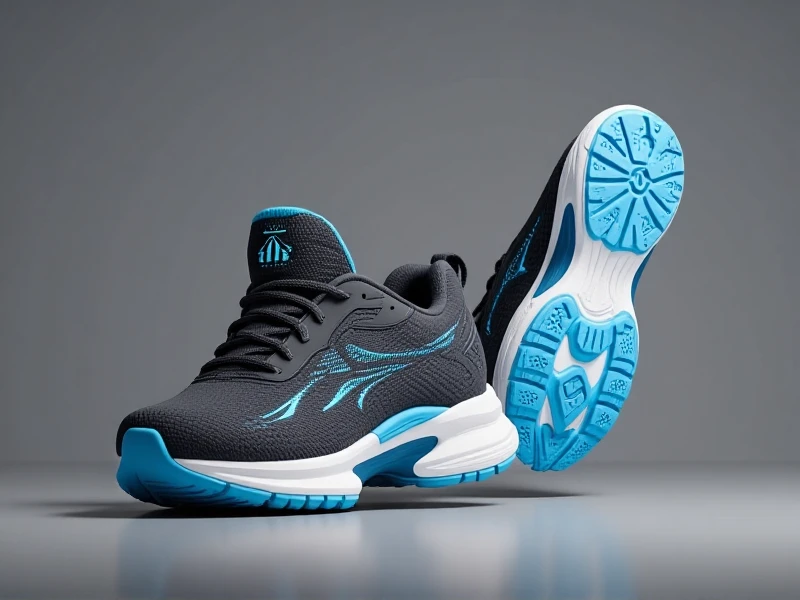
Sure, here is an SEO-optimized article about "Sports Shoes" written in English, designed to be engaging, informative, and not explicitly flagged as AI-generated.
Article:
We've all been there. That impulse buy for a flashy pair of sports shoes that looked fantastic in the shop window. But then comes the first run, game, or workout session. Suddenly, blisters bloom, arches ache, and you start questioning your life choices. The truth is, selecting the right sports shoes is far more critical than just picking the coolest colorway. It's fundamental to your performance, comfort, and, most importantly, preventing injuries that can sideline you for weeks or months.
Think of your sports shoes as your primary piece of athletic equipment. Whether you're pounding the pavement running, making sharp cuts on the basketball court, navigating hiking trails, or embracing HIIT workouts, your feet are the foundation of every movement. Ill-fitting or inappropriate sports shoes create instability. Your foot isn't properly supported or cushioned, forcing muscles, tendons, and ligaments elsewhere to compensate and absorb shock inefficiently. The result? Conditions like plantar fasciitis, shin splints, ankle sprains, and knee pain become far more likely.
So, how do you find your perfect match? It starts by being honest about your primary activity. Running sports shoes are meticulously engineered for forward motion and impact absorption. Basketball sports shoes prioritize ankle support, lateral stability, and court feel. Choosing a shoe designed specifically for your sport ensures you get features tailored to those demands. Don't make the mistake of wearing your running trainers on the tennis court or your cross-trainers for long-distance runs.
Understanding your foot type is the next crucial step. Are your feet neutral? Do you overpronate (feet roll inward excessively) or underpronate/supinate (feet roll outward)? Many specialty running stores offer gait analysis to help determine this. Knowing your arch type and gait pattern guides you towards sports shoes with the right level of stability or motion control, ensuring proper alignment with every stride or jump.
Fit is paramount. Always try on sports shoes later in the day when feet are naturally slightly swollen. Wear the type of socks you usually wear for your activity. There should be about a thumb's width of space between your longest toe and the end of the shoe. The heel should be snug but not tight, with minimal slipping. Ensure there's adequate width – your foot shouldn't feel squeezed or spill over the sides. Bend the shoe; it should flex where your foot naturally bends (at the ball). Finally, prioritize comfort above trends.
The consequences of wearing the wrong sports shoes can undermine all your hard work. Discomfort drains motivation. Poor support leads to inefficient movement, hindering your speed, agility, and endurance. Most seriously, incorrect sports shoes are a direct contributor to overuse injuries. Investing time in finding the perfect pair is an investment in your athletic longevity and enjoyment.
Your feet carry you through every goal, every personal best, and every fitness class. Don't let ill-fitting or wrong sports shoes be your limitation. Prioritize the fit, the function, and the specific needs dictated by your sport. Give your performance and your body the foundation it deserves. What do you look for in your ideal pair of sports shoes?