Find Your Perfect Running Shoes: The Ultimate Buying Guide
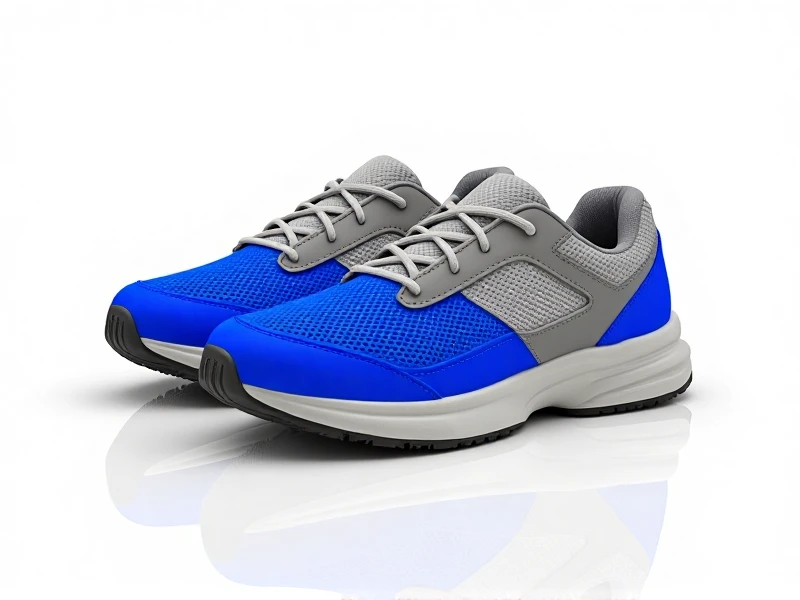
Here's a 400-word SEO article focusing on the keyword "running shoes":
Stepping into the world of running demands the right foundation: truly great running shoes. They're not just footwear; they're essential equipment engineered to support your feet, absorb impact, and propel you forward comfortably mile after mile. With a staggering number of options available, choosing the best running shoes for your unique needs can feel overwhelming. This guide breaks down the key factors to consider, helping you find the perfect pair.
Understand Your Running Style: How and where you run is the biggest starting point. Are you primarily logging miles on roads, tackling trails, or focusing on speed work and races? Different running shoes are built for different purposes.
- Road Running Shoes: Prioritize cushioning, responsiveness, and durability on hard surfaces. Ideal for pavement and treadmills.
- Trail Running Shoes: Feature aggressive outsoles for grip on loose terrain, plus added protection from rocks and roots. Look for stability features too.
- Racing Flats / Super Shoes: Designed for speed: lightweight and often featuring stiff carbon fiber or nylon plates for maximum energy return and faster times (though often with less durability and cushion).
Know Your Foot Type: The Foundation of Fit: Understanding your arch type (neutral, flat, or high) and pronation (how your foot rolls inward) is vital. Get a gait analysis at a reputable running shoes store – it's invaluable.
- Neutral Shoes: The most common type, offering balanced cushioning and support for efficient strides without major overpronation.
- Stability Shoes: Features like medial posts help control moderate overpronation (excessive inward roll).
- Motion Control Shoes: Offer maximum support for severe overpronation, often heavier and more rigid.
- Cushioned/Neutral Shoes: Provide maximal soft cushioning, often preferred by larger runners or those needing extra impact absorption, suitable for neutral gaits or underpronation.
Prioritize Key Features:
- Cushioning: From minimal to max, it's about shock absorption and comfort. Consider your weight, preferred feel (soft vs. firm), and typical run distances.
- Fit: This is non-negotiable. You need ample space (about a thumbnail's width) in front of your longest toe. The heel should be snug without slipping. Width options are crucial for many.
- Drop: This number (e.g., 10mm, 8mm, 0mm) measures the difference in height from heel to toe. Lower drops promote a more midfoot/forefoot strike, while higher drops can be easier on the Achilles.
- Weight: Lighter isn't always better. Consider your pace and distance.
Putting It All Together: Try Before You Buy. Investing time in researching and trying on multiple running shoes pays off. Run in the store if possible. Pay close attention to comfort immediately; there should be no pinching or pressure points. Replacing your running shoes every 300-500 miles is critical to prevent discomfort or injury, as the cushioning and support degrade.
Finding the right running shoes transforms how running feels. Get the fitting right, match the shoe to your running style, and pay attention to the crucial features. Your feet (and your run times) will thank you as you lace up with confidence.