Finding Your Perfect Pair: The Ultimate Guide to Sports Shoes
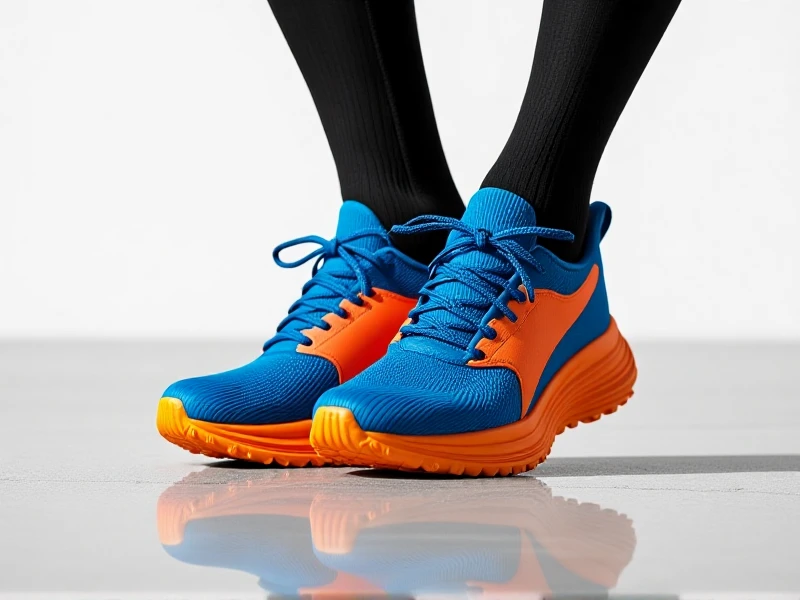
Stepping up your fitness game starts from the ground up. The cornerstone of any active lifestyle is finding the right pair of sports shoes. Not just any sneaker, but footwear engineered for your specific activity, foot type, and goals. With countless brands and styles shouting for attention, choosing the perfect sports shoes can feel overwhelming. This guide cuts through the noise to help you make an informed decision tailored to your needs.
Your chosen activity dictates your shoe's features. Running demands light, breathable sports shoes with adequate cushioning to absorb impact, especially for high-mileage runners. Look for models designed explicitly for your gait – neutral, pronation, or supination support. Basketball requires ankle support for lateral movements and jump impact, translating to high-top designs with excellent grip. Training and cross-fit enthusiasts need versatile sports shoes offering stability, responsiveness, and lateral support across diverse lifts and movements. Choosing running shoes for HIIT classes or court shoes for trail running often leads to discomfort and injury; specificity matters.
Beyond the sport, consider your feet. Flat arches often benefit from structured support within the sports shoes, while high arches might require ample cushioning. Always prioritize a true fit – your toes shouldn't jam the front, and your heel needs a secure, comfortable hold without slipping. Width is crucial too; cramped sports shoes cause blisters and numbness. Many brands offer wide or narrow options alongside standard sizes.
Materials play a significant role. Mesh uppers dominate modern sports shoes for ventilation, keeping feet cool and dry during intense sessions, crucial for comfort and hygiene. Synthetic leather overlays provide support and structure where needed. Sole technology varies drastically: EVA foam offers lightweight cushioning, while newer polyurethane or gel compounds might address specific impact-absorption requirements. The outsole tread pattern determines grip; deep lugs are essential for trail sports shoes, whereas smoother patterns suffice for the gym.
Don't underestimate the importance of trying sports shoes later in the day when feet are naturally slightly swollen. Wear the socks you intend to use during exercise. Test them on hard ground if possible, mimicking your activity – jog in place or do some lateral shuffles. Trust how they feel above all; minor pressure points now become agonizing problems later. Remember, top-tier cushioning degrades over mileage; replacing worn-out sports shoes is essential for performance and injury prevention (typically every 300-500 miles for runners).
Investing time in finding your ideal sports shoes pays dividends in enhanced comfort, improved performance, and reduced risk of pain. It's worth visiting a specialty store for expert advice and trying multiple contenders. Your feet, and your fitness journey, will thank you. Put your best foot forward!