The Ultimate Guide to Finding Your Perfect Pair of Running Shoes
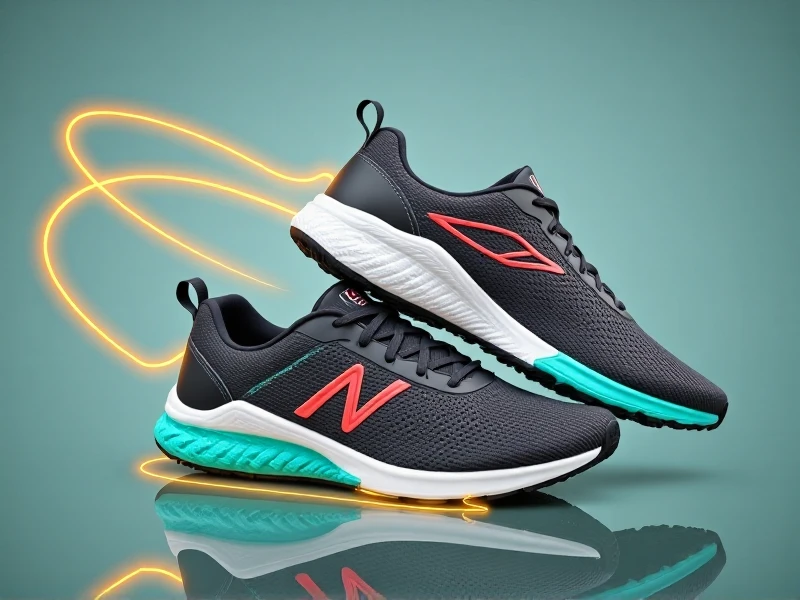
****
Are your feet aching after a run? Choosing the right running shoes isn't just about style – it's the foundation of comfort, performance, and injury prevention. Whether you're training for a marathon, hitting the trails, or enjoying a brisk morning jog, your footwear makes all the difference. Let’s explore how to find your ideal pair.
Understanding your needs is paramount. Running shoes are engineered with specific goals. Do you log miles on roads? Seek options with excellent cushioning (like plush midsoles) and durable outsoles designed for pavement. Trail enthusiasts need rugged grip, protective toe guards, enhanced stability for uneven terrain, and often extra underfoot shielding. Consider your typical run length and intensity – longer distances demand more cushioning and support.
A proper fit is non-negotiable. Feet swell during runs! When trying on running shoes, visit a store later in the day. There should be roughly a thumbnail's width of space (about half an inch) between your longest toe and the shoe's end. Your heel should sit firmly, preventing slippage. Width is critical too – ensure no pinching across the ball of your foot or around the arches. Try them on with your usual running socks. Don't hesitate to jog around the store or on a treadmill to truly feel the fit.
The structure of your foot dictates support needs. Understanding your arch type (flat, neutral, high) and gait (how your foot rolls inward: neutral pronation, overpronation, or supination) is vital. Many running specialty stores offer gait analysis. Typically:
- Flat arches/overpronators often thrive in running shoes labeled "stability" or "motion control," offering increased medial support.
- Neutral arches/neutral pronators have the widest choice, excelling in well-cushioned "neutral" shoes.
- High arches/supinators often benefit from highly cushioned, flexible running shoes (neutral or "cushioned") to encourage natural motion.
Technology and cushioning (foam density, responsiveness like "energy return") significantly impact feel. Try both soft, plush models and firmer, more responsive options to find what feels natural and comfortable for you. Material breathability keeps feet cool on long runs. Weight matters as lighter running shoes can feel faster, offering agility.
Remember, even the best running shoes wear out! Track your mileage or replace them every 300-500 miles. Worn cushioning reduces shock absorption, straining muscles and joints. Inspect the midsole foam; visible wrinkles or compression indicate it's time for a new pair.
Finding the perfect running shoes is an investment in your health and running enjoyment. Identify your terrain and goals, secure an impeccable fit suited to your foot type, understand your support and cushioning preferences, and commit to timely replacement. Your feet (and knees!) will deeply appreciate taking the time to choose wisely. Visit our store today or browse our extensive collection online to find your next stride-enhancing pair!